South Africa Must Urgently Confront Xenophobia and Violence, Says ICJ
by admin · Published · Updated
Cape Town, 22 June 2026;The International Commission of Jurists (ICJ) has issued a strong call to action, urging President Cyril Ramaphosa, the South African Police Service, and relevant government agencies to take immediate and concrete steps to protect non-citizens from escalating xenophobic violence. According to the ICJ, the rise of vigilante groups and anti-migrant mobilization poses a grave threat to human rights and the rule of law in South Africa.
Escalating Threats Against Migrants
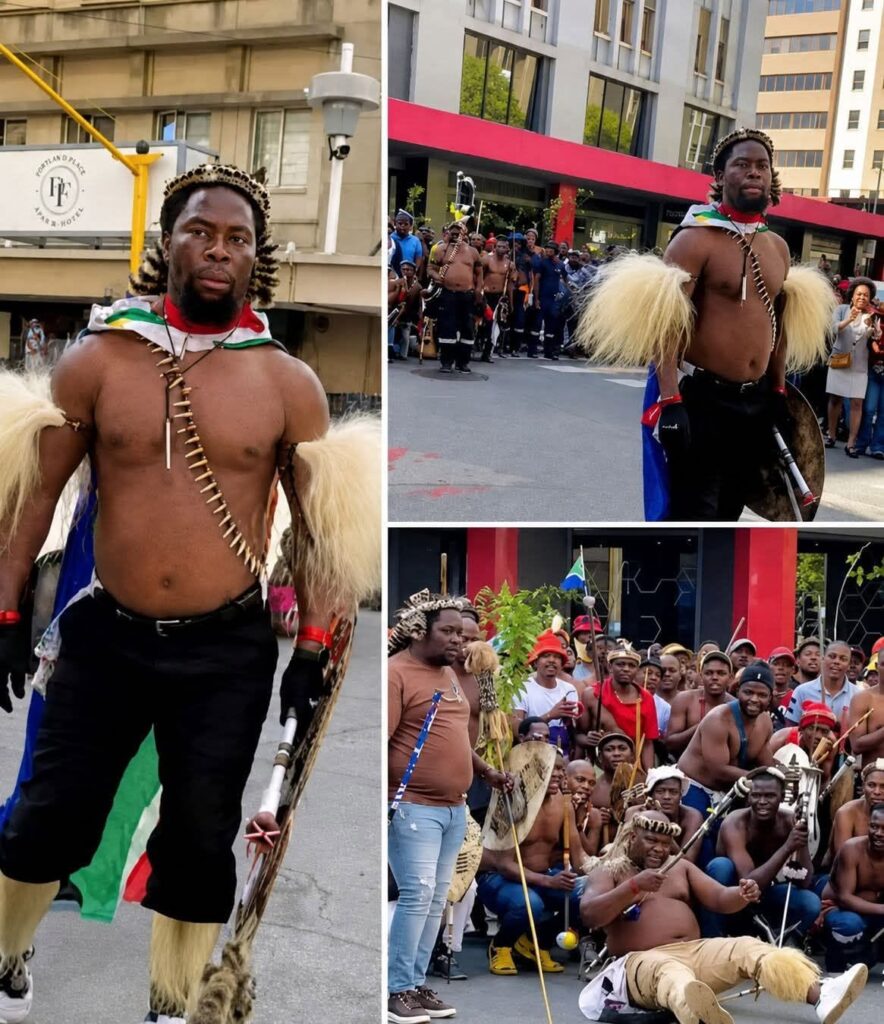
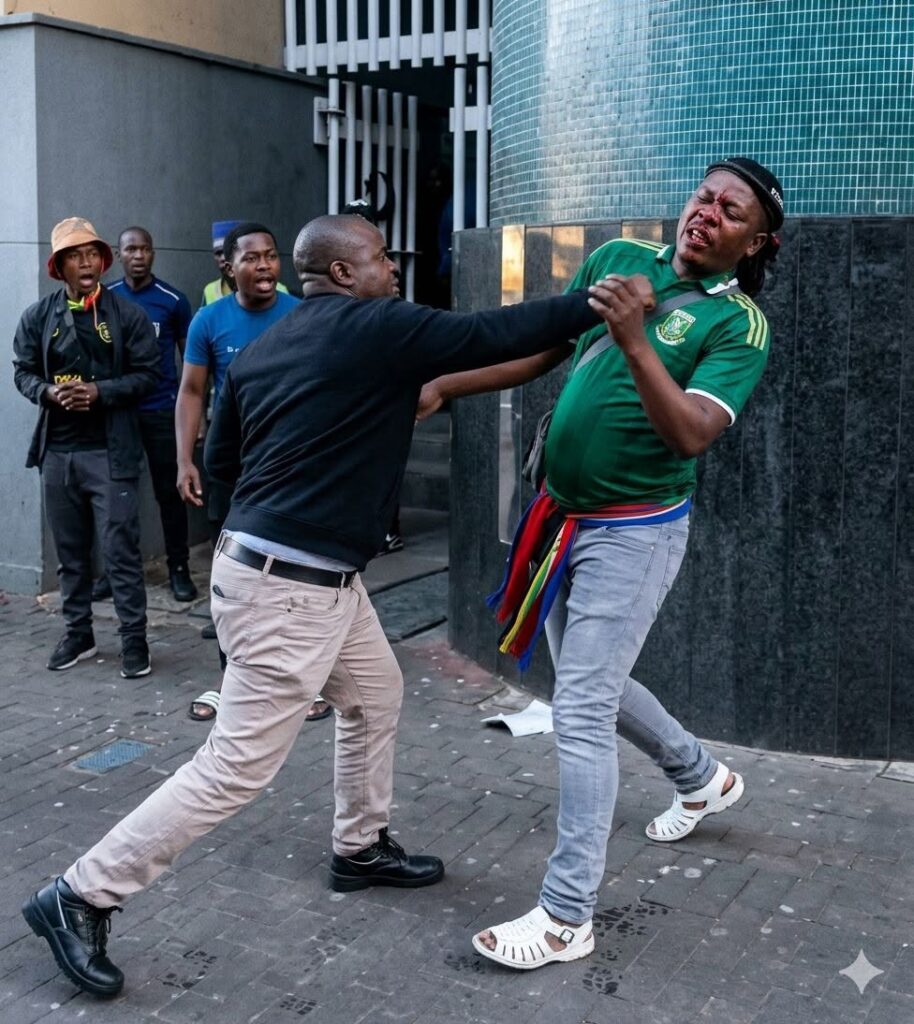
The ICJ expressed deep concern over the activities of vigilante groups such as Operation Dudula and March and March, which have openly campaigned for the removal of “undocumented” non-citizens by 30 June. Reports of harassment, intimidation, and exclusion from workplaces, clinics, and basic services have created what the ICJ describes as a “climate of fear and exclusion.”
Kaajal Ramjathan-Keogh, Director of ICJ’s Africa Programme, stated that No private individual or organization has the authority to enforce immigration laws or determine who belongs in South Africa. The continued operation of groups that openly target, intimidate and seek to exclude non-citizens raises serious concern about the failure of State authorities to take effective measures to prevent xenophobic violence, protect communities at risk and hold those responsible accountable.”
Legal and Constitutional Obligations
According to the ICJ, South Africa’s Constitution guarantees the rights to dignity, equality, and security for all persons within its borders, regardless of nationality or immigration status. The organization also emphasized South Africa’s binding obligations under international treaties, including the International Convention on the Elimination of All Forms of Racial Discrimination (ICERD) and the African Charter on Human and Peoples’ Rights (ACHPR).
The ICJ highlighted recent court rulings, including the November 2025 Kopanang Africa Against Xenophobia v. Operation Dudula case, in which the High Court prohibited vigilante groups from demanding identity documents or engaging in intimidation. The ICJ stressed that compliance with this ruling is not optional but a binding legal obligation.
Concerns Over Government Messaging
While welcoming President Ramaphosa’s acknowledgment that immigration enforcement is the responsibility of the State, the ICJ warned that framing migration primarily through enforcement and deportation risks legitimizing vigilante groups. According to the ICJ, such rhetoric undermines South Africa’s constitutional and international commitments to protect all persons equally.
Ramjathan-Keogh cautioned: It is highly regrettable and deeply concerning because with his statement the President may be viewed as acceding to and supporting the demands of vigilante groups.”
Call to Action
The ICJ has urged South African authorities to:
Publicly and unequivocally condemn xenophobic mobilization.
Enforce the High Court’s November 2025 order and fully implement the National Action Plan to Combat Racism, Xenophobia, and Related Intolerance.
Ensure proactive policing to prevent intimidation and obstruction of services.
Investigate and prosecute individuals and groups responsible for harassment and violence.
Hold politicians accountable when their rhetoric emboldens xenophobic actions.
Upholding Democratic Values
South Africa’s democratic values are founded on human dignity, equality and freedom. These principles must be protected for everyone, without discrimination,” said Ramjathan-Keogh. “The 30 June deadline imposed by private groups creates urgency for the State to mobilize actively to prevent harm while maintaining peace and security.